
Where Faith Finds Light and Hearts Find Home
From Brixton to Beyond: Shepherding Hope in Every Step
Anchored in Christ, Reaching Out in Love
You are cordially invited to our monthly program on 1st and 3rd Tuesday of Every Month. DON'T MISS IT!!!





The 4 Love Test vs. The Bible’s Definition of Love
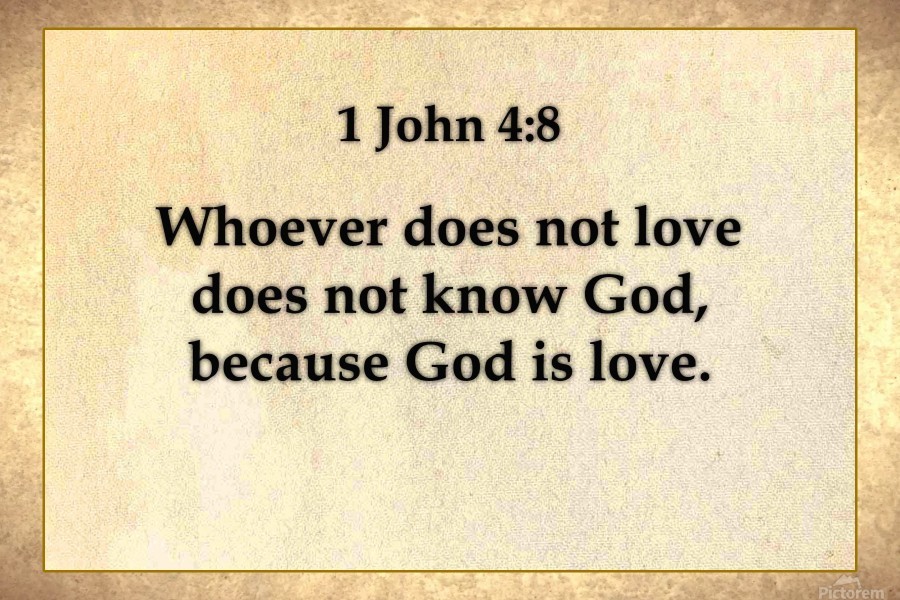

- Can you share everything that’s on your heart? • ✅ Biblical comparison: Love is rooted in trust and honesty. In 1 Corinthians 13:6, love “rejoices with the truth.” Being able to speak freely and openly shows there is no fear (1 John 4:18: “Perfect love drives out fear”). • Conclusion: This aligns with biblical love because true love creates a safe space for transparency and truth.
⸻
- Is he kind? • ✅ Biblical comparison: 1 Corinthians 13:4 says, “Love is patient, love is kind.” Kindness is an essential fruit of the Spirit (Galatians 5:22). • Conclusion: This perfectly reflects the biblical definition of love.
⸻
- Does he help you become the best version of yourself?
• ✅ Biblical comparison: True love seeks the good of the other person (Philippians 2:3–4, Romans 12:10). Ephesians 5:25–26 says a husband should love his wife in a way that helps her grow in holiness, not hinder her.
• Conclusion: This matches biblical love, which is not selfish but nurturing, supportive, and growth-oriented.
⸻
- Can you imagine him being the father of your children? • ✅ Biblical comparison: Biblical love is committed and future-focused, not temporary or shallow. 1 Corinthians 13:7 says love “always protects, always trusts, always hopes, always perseveres.” Being able to picture building a family together suggests a covenant mindset rather than a casual one.
• Conclusion: This is consistent with the biblical view that love should be enduring, covenantal, and generational (Deuteronomy 6:6–7, Psalm 127:3–5).
⸻
Overall Reflection
Your 4 Love Test aligns very closely with the Biblical definition of love. Each question reflects one of the core elements of biblical love:
• Openness & Truth (honesty, no fear)
•   Kindness & Patience (gentleness of character)

•   Support & Growth (mutual edification)
I
• Commitment & Legacy (future-minded covenant love)
💡The main difference is that Scripture emphasizes love as sacrificial and selfless, modeled after Christ’s love (John 15:13, Ephesians 5:25). So the highest test of love isn’t just how the other person treats you, but whether both of you are willing to lay down self for each other.



Leave a Comment